

B.Eng Tech
Bachelor of Engineering Technology - Building Services Technology
Award
B.Eng TechDuration
3 Academic YearsCredits
60 Credits (Education) + 60 Credits (Technology)Choose a study option
Campus
University of Vocational TechnologyFaculty/Provider
Faculty of Engineering TechnologyStart Date
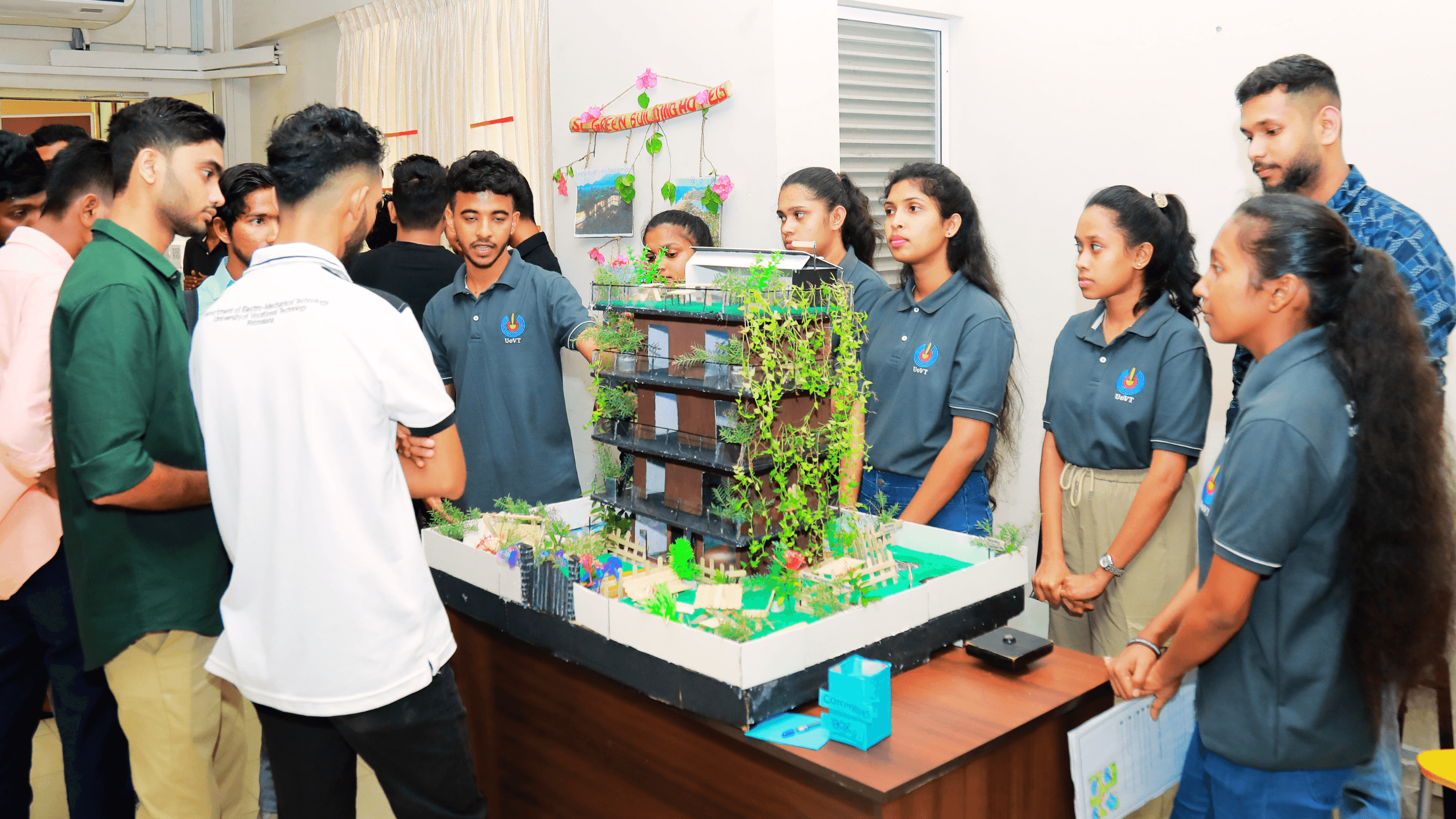
2026The Bachelor of Engineering Technology in Building Services Technology is designed to produce professionals capable of designing, managing, and integrating modern building services systems. The programme mainly focuses on designing systems related to HVAC systems, lighting, electrical installations, plumbing systems, CCTV systems, Fire detection and protection and sustainable building operations.
Students develop strong engineering foundations together with practical industry skills required to improve building efficiency, environmental sustainability, and occupant comfort. The programme integrates theoretical learning with industrial exposure and real-world engineering applications.



3 Years
Week Day
3 Years
Week End
Duration
- Industrial training / work-based learning in Semester 5
- Final Year Project conducted in Semesters 6
- One academic year consists of two semesters
- Each semester carries around 30 credits
- Weekend programme available only for NVQ students
Special Remarks
The programme follows a credit-based modular system aligned with international standards such as ECTS. Students gain practical exposure through industrial placements coordinated with NAITA and industry partners.
Career Opportunities
- - Building Services Technologists
- - HVAC Technologists
- - Electrical Installation Technologists
- - Facility Manager
- - Energy Management Specialist
- - Building Maintenance Technologists
- - Construction Project Technologists
- - Sustainability Consultant
- - Fire Safety Technologists
- - Building Automation Specialist
Teaching & Learning
Learning is supported through continuous assessments, laboratory activities, and semester-end examinations. Students must maintain required attendance and assessment performance to qualify for examinations.
Key Learning Approaches Include:
- Interactive Lectures
- Laboratory Sessions/modelling
- Design-Based Learning
- Industrial Training
- Group Projects
- Final Year Engineering Project
Skills Development Focus:
- Engineering problem solving
- HVAC, Electrical, Plumbing, Fire system design
- Energy efficiency analysis
- Project management skills
- Technical communication
- Sustainable Building practices
Learning is supported through continuous assessments, laboratory activities, and semester-end examinations. Students must maintain required attendance and assessment performance to qualify for examinations.
Entry Requirements
The minimum qualifications required for admission to the programme on the standard route are:
Fees
Course Outline
Facilities
Building Services Laboratory
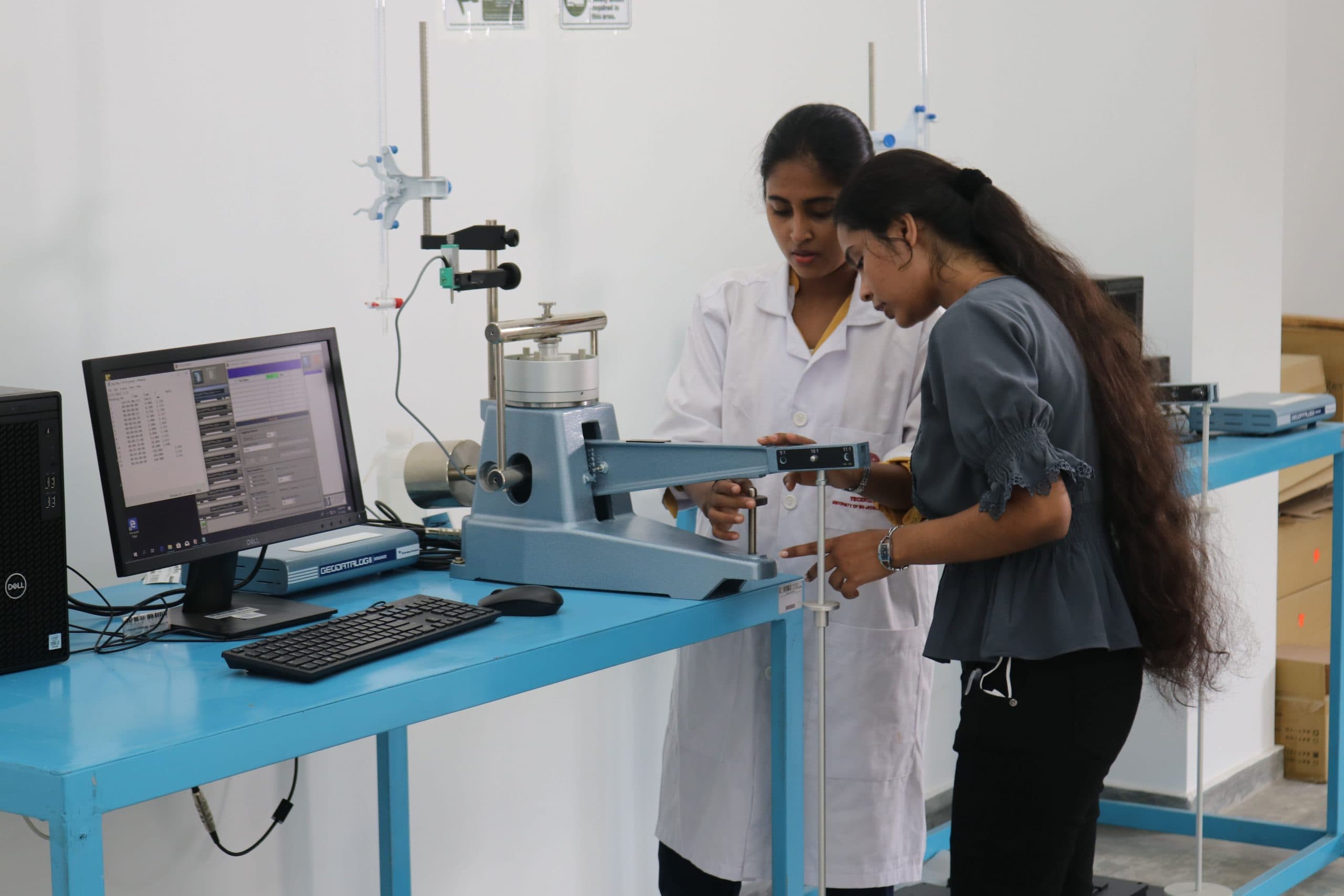
A specialized laboratory equipped for practical learning and testing of building services systems including plumbing, electrical, and mechanical installations.

HVAC Training Laboratory
Hands-on training facility for heating, ventilation, and air conditioning systems, allowing students to study installation, operation, and maintenance of HVAC equipment.
Electrical Installation Workshop
Workshop designed for practical training in electrical wiring, installation techniques, safety procedures, and testing of building electrical systems.
Professional Accreditation
The Bachelor of Engineering Technology in Building Services Technology is designed in alignment with national vocational and engineering education standards to ensure academic quality, industry relevance, and professional competency. The programme integrates engineering principles with practical applications in building services systems including HVAC, electrical installations, energy management, and sustainable building operations. Awarded by the University of Vocational Technology (UoVT), the degree follows a credit-based modular system benchmarked with international practices and supports progression into professional engineering and building services sectors.
Key features related to recognition and professional alignment include:- Aligned with the National Vocational Qualification (NVQ) Framework
- Credit-based modular system benchmarked with ECTS concepts
- Industry-oriented engineering curriculum
- Mandatory industrial training and workplace learning
- Integration of sustainable and energy-efficient building practices
- Preparation for professional engineering and facility management careers
Graduates of this programme are equipped to pursue careers in building services engineering, HVAC systems design, energy management, facility operations, and sustainable construction, as well as further professional and academic qualifications in engineering technology.
Staff